

Updated: December 2025
Note: This article is information only and not legal, tax, or medical advice. Always verify visa, insurance, and tax details for your personal situation.
Crete in winter is the season many people don’t even consider—until they try it once. When the last charter flights slow down and the beaches go quiet, the island feels less like a stage and more like real life. The light turns crisp, the air clears, and everyday routines become easier: parking, reservations, beaches, even museum visits.
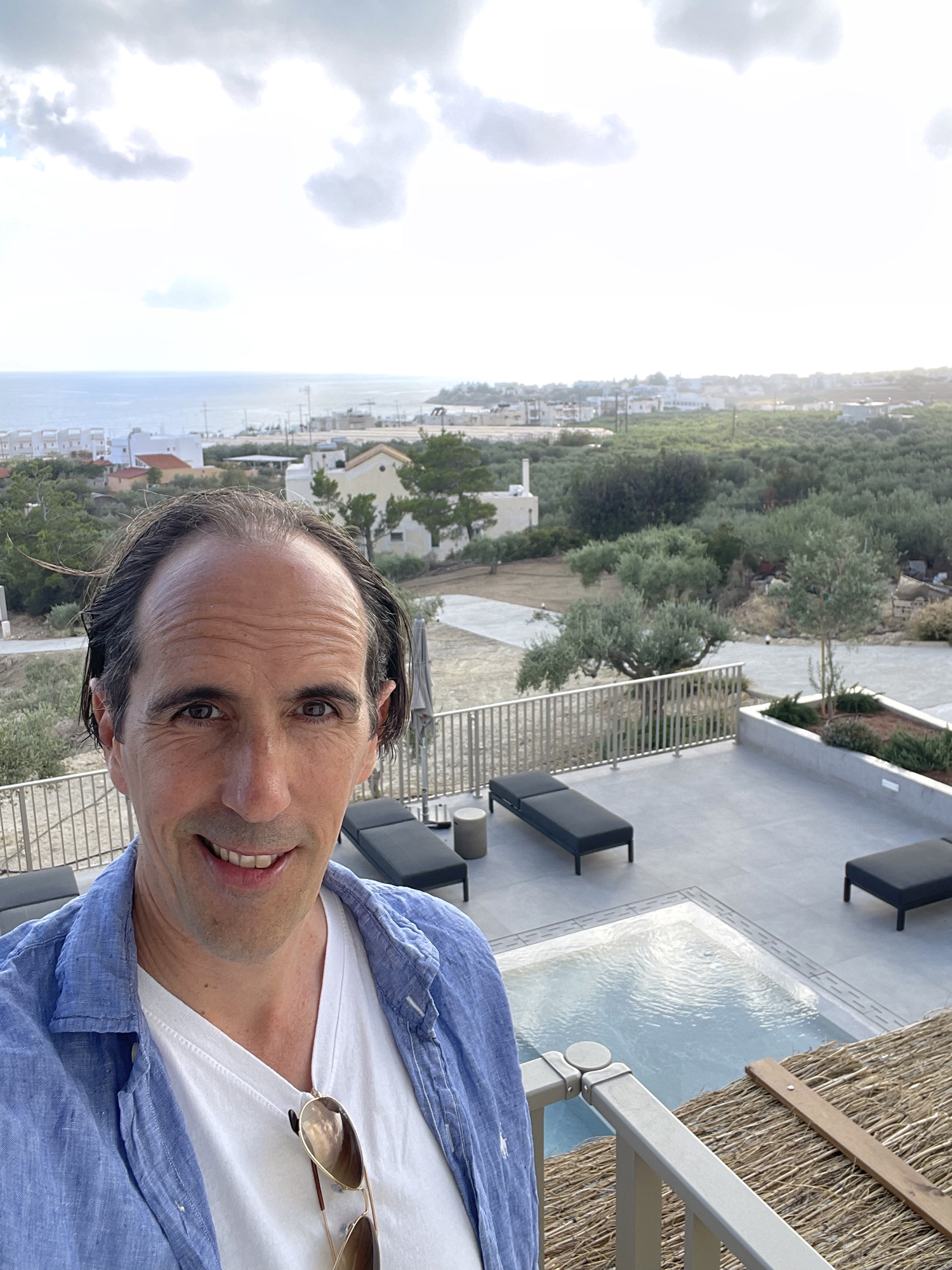
I’m Jean René Kaste. What I personally value most in winter are long walks on near-empty beaches—no noise, no pressure, no “peak season logistics”. And I cycle more in winter than in summer: mild temperatures, calmer roads, and that clear visibility that makes the coastline feel almost cinematic.
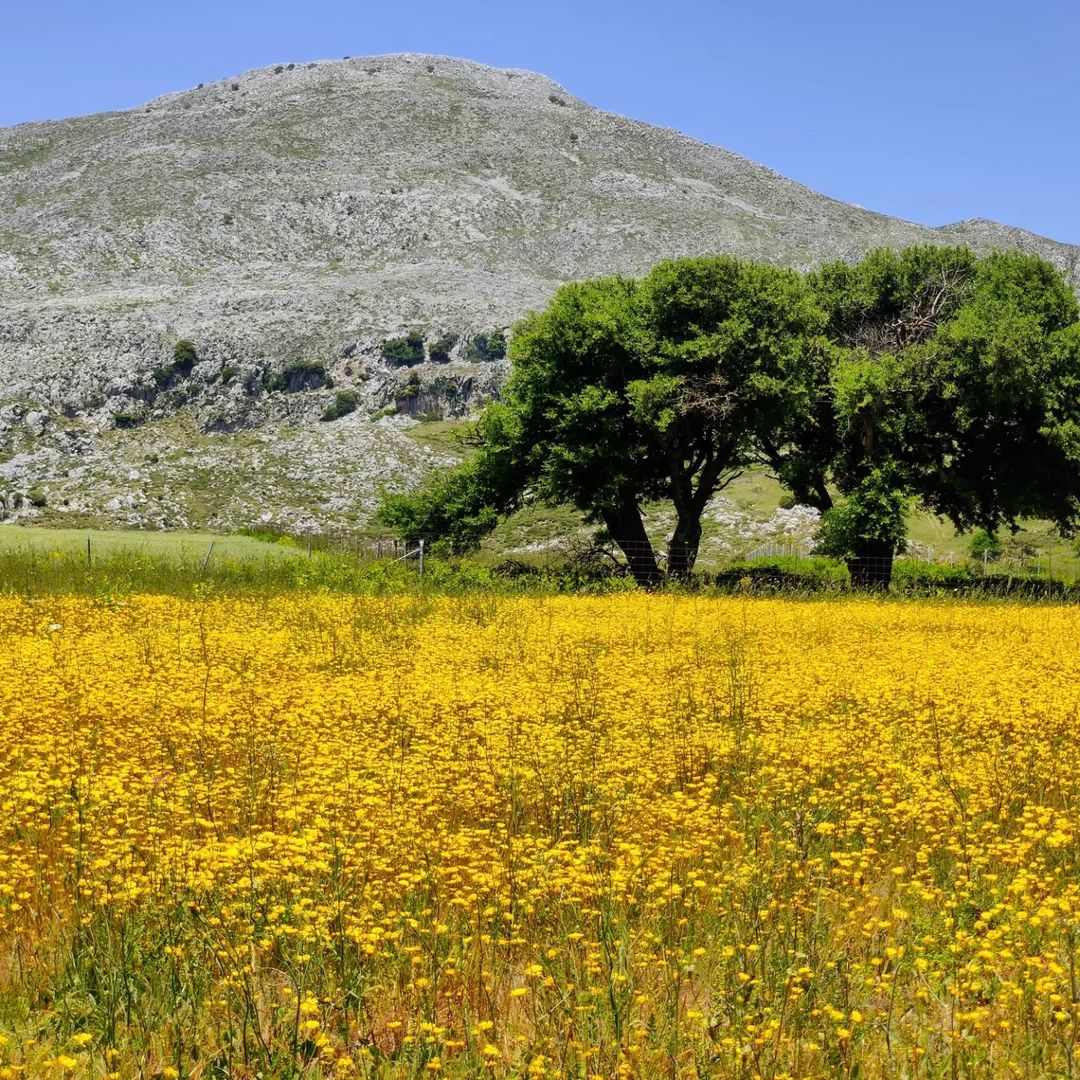
Wintering in Crete: the quick take
- Crete is calmer in winter—not “closed.” Cities and bigger towns stay reliable. kretakompass.de
- Regions matter: north vs. south, city vs. village, coast vs. mountains. kretakompass.de
- Winter is culture + cuisine season: more time, more space, more conversations. kretakompass.de
- Your accommodation decides the experience: heating and indoor comfort are the real “make or break” factors. kretakompass.de
- Best first step: test-drive the idea with a 4–6 week winter stay before making big life decisions. kretakompass.de
Weather in Crete in winter (and why it can feel familiar to Californians)
Crete has a Mediterranean climate—milder, wetter winters and hot, dry summers. Encyclopedia Britannica+1 That basic rhythm is also why many visitors from coastal California immediately “recognize” the seasonal pattern: dry summers, wetter winters, and relatively moderate temperature swings near the sea. Encyclopedia Britannica+1
What this means in practice:
- Most days are outdoor-friendly, especially for walks, cycling, and city exploration. kretakompass.de
- Rain and wind happen (more so in some areas), and the mountains can see snow. Klimadaten+1
- The island is not “one climate.” Microclimates can feel surprisingly different within short driving distances. kretakompass.de
Regional differences: where Crete “works” best in winter
Crete is long, mountainous, and shaped by wind exposure. That’s why “Crete in winter” depends heavily on where you base yourself. kretakompass.de
Winter base guide (simple overview)
| Region | Winter feel | Best for |
|---|---|---|
| Northwest (Chania & surroundings) | cultural, strong city base; can be windier | museums, old town life, day trips |
| North coast (Rethymno / Heraklion area) | most “all-year functioning” infrastructure | routines, healthcare access, logistics |
| South coast | quieter, often very empty beaches | decompression, nature, slow living |
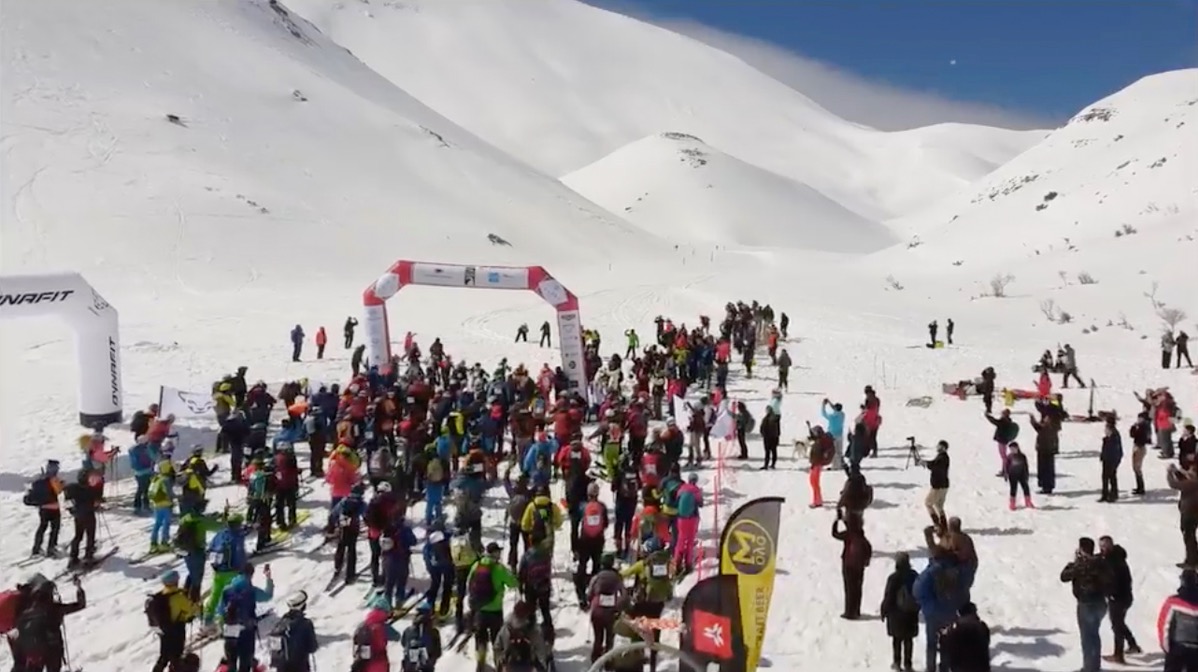
| Mountains / higher elevations | colder; snow possible | contrast days, hiking, dramatic landscapes |
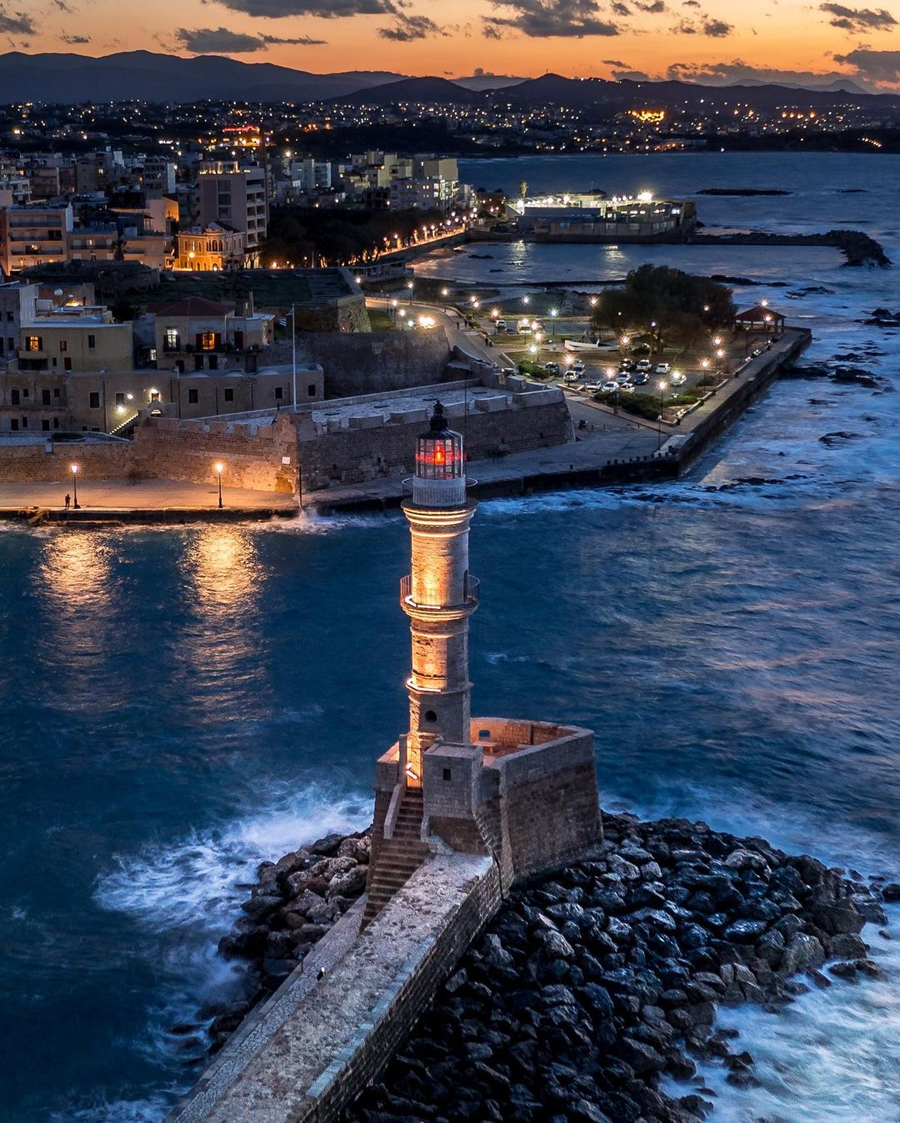
One line many people agree with: Chania can feel almost film-like in winter, because the old harbor and lanes don’t have to fight crowds and heat—they simply show their best side.
Practical recommendation for first-timers: choose a base near a city (Chania, Rethymno, Heraklion, Agios Nikolaos) and explore quieter areas via day trips. kretakompass.de
Cities, history, museums: winter is Crete’s cultural season
Winter brings a few cooler or rainy days—perfect timing to lean into what Crete does exceptionally well: archaeology, museums, historic towns, monasteries, and sites that can be painfully crowded in summer.
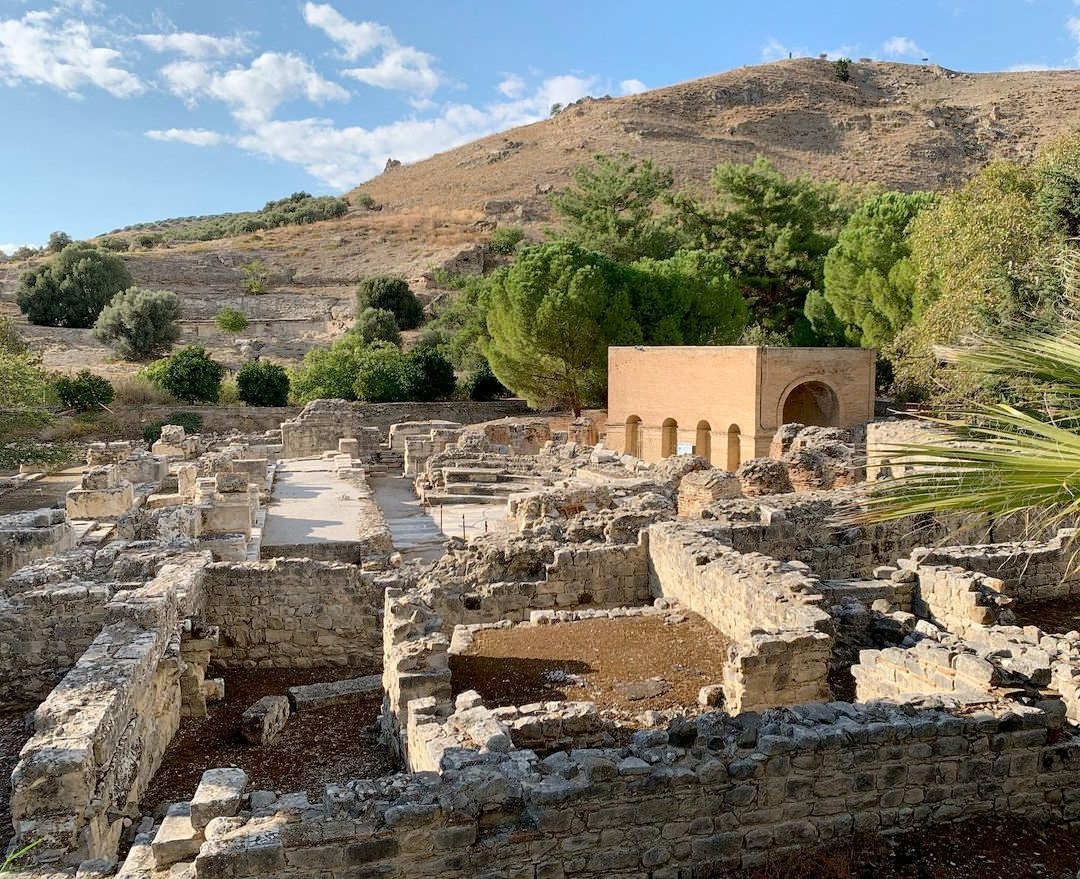
You often get a better experience simply because there is space and time again—both for visitors and for the people working there.
Winter food & tavern life: fewer crowds, better conversations
A major winter upgrade is the restaurant experience. Many places are no longer in “high season survival mode.” That often means:
- no waiting lines
- free choice of tables
- more time to talk with owners and staff
- more seasonal dishes (greens, slow-cooked meat, winter comfort food) kretakompass.de
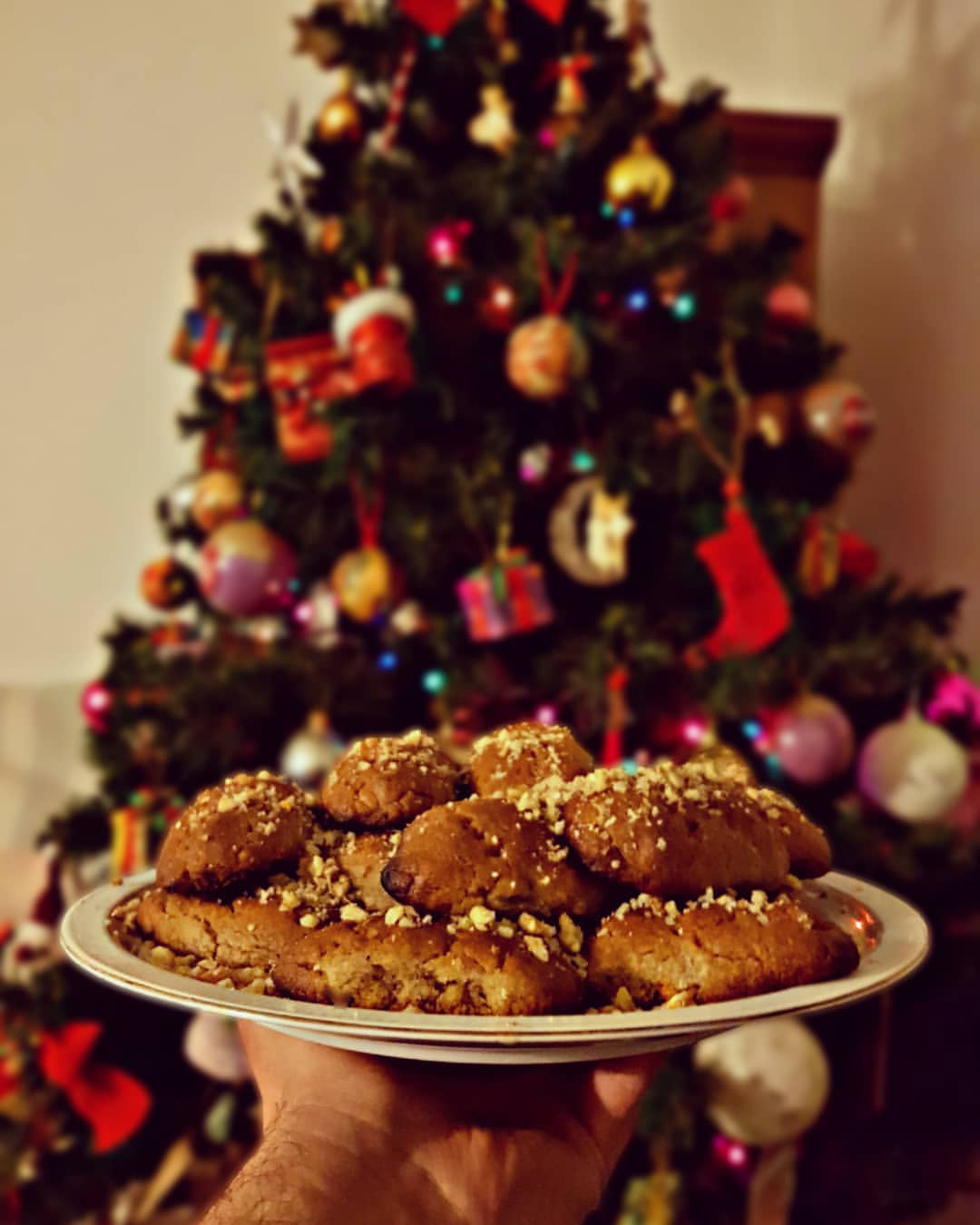
In addition, there are typical regional winter dishes (such as wild vegetables like stamnagathi), which appear more frequently on menus during this season.
They are cooked with salt, lemon, and olive oil, taste slightly bitter, and are served in taverns as a warm starter salad or as a side dish with beef, pork, or lamb. After a cool winter day, it’s nice to end the evening in a tavern with a rakomelo: Cretan raki mixed with honey and served warm.
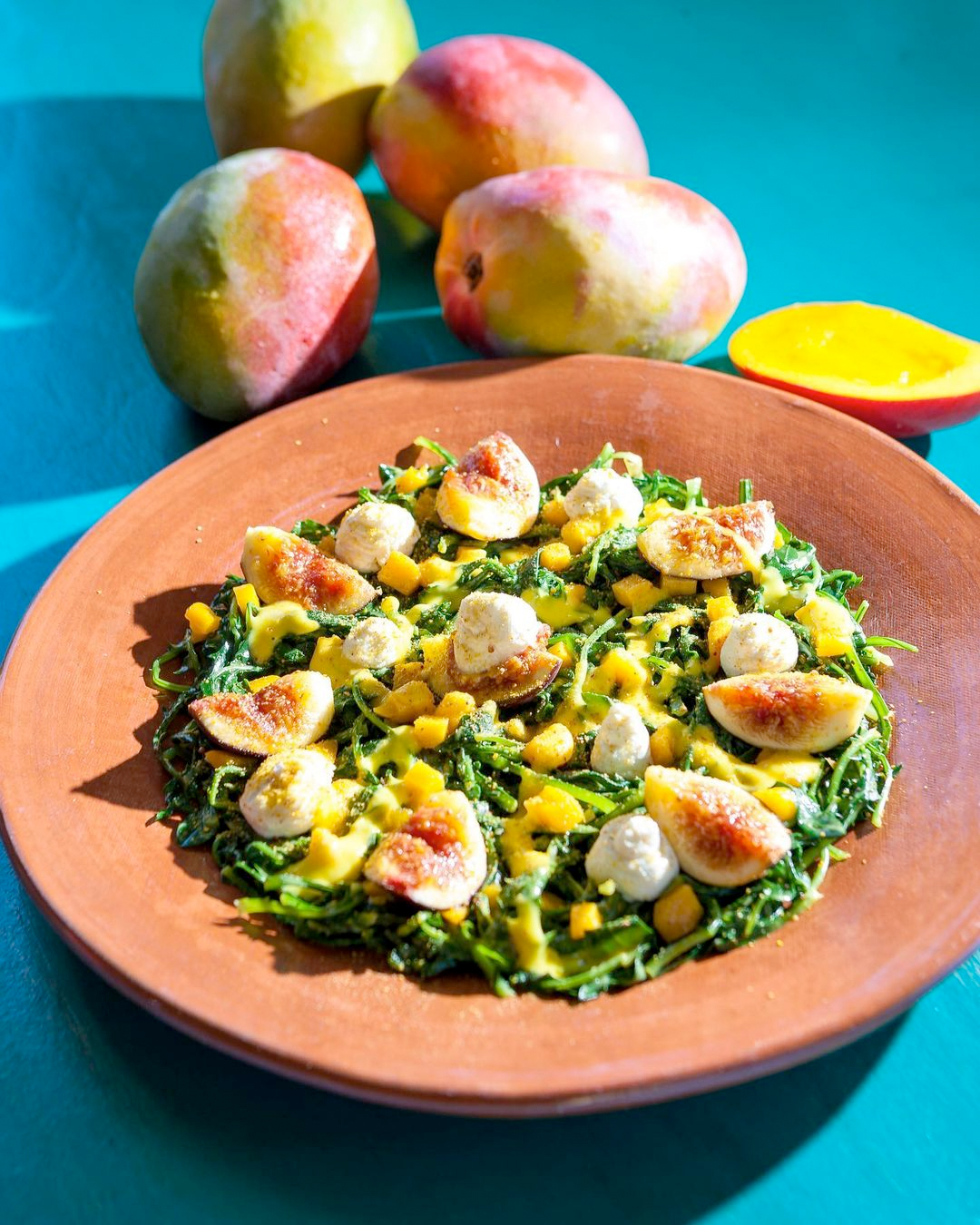
Matzénta Kuzina del Sol describes itself as a gastronomic bridge between Crete and Oaxaca, with Barbacoa on Fridays and Saturdays. In winter, places like this often shine: less noise, more focus, and a clearer culinary signature.
Outdoors in winter: beaches, hikes, cycling
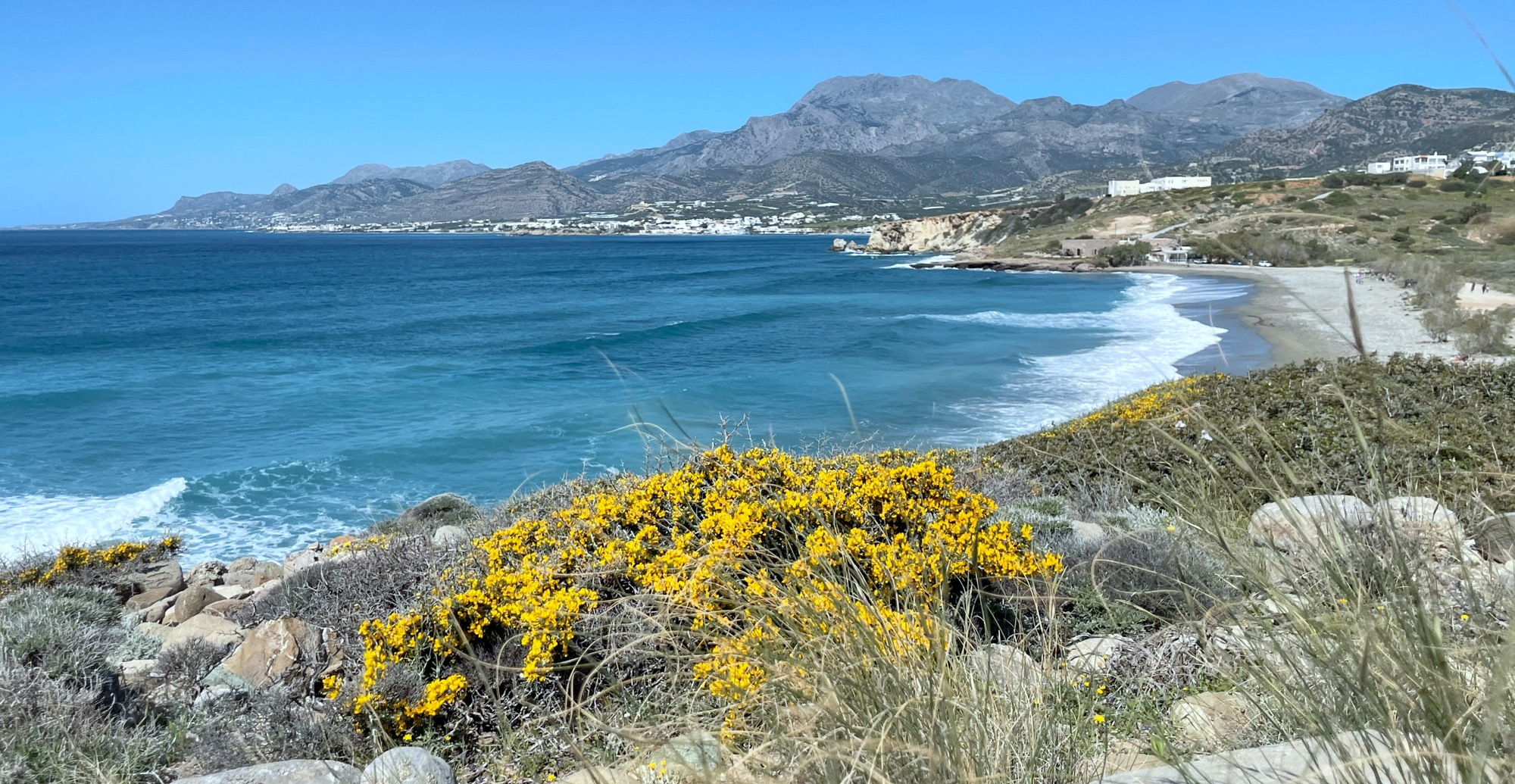
Winter is often the best season for movement. Temperatures are more comfortable, viewpoints are clearer, and many “summer hotspots” become quiet again. kretakompass.de
What tends to work particularly well:
- beach walks (often almost empty)
- cycling (less traffic pressure)
- hiking routes that are too hot in summer (with a weather check for snow/water in gorges)
The honest comfort factor: heating, humidity, and why it matters
If wintering in Crete goes wrong, it’s rarely the outdoor weather. It’s usually the indoor comfort. Many properties were historically designed for summer living. kretakompass.de
Accommodation checklist (before you book or buy)
- Real heating solution: not just “there’s an AC unit”
- Humidity strategy: ventilation and/or dehumidifier options
- Windows & drafts: drafts kill comfort fast
- Orientation: winter sun exposure (south / southwest) matters more than people expect kretakompass.de
This isn’t about being negative—it’s about avoiding the one predictable mistake: choosing a beautiful place that looks perfect in summer photos but feels cold indoors in January.
If winter becomes a plan: low-energy homes, heat pumps, underfloor heating, solar
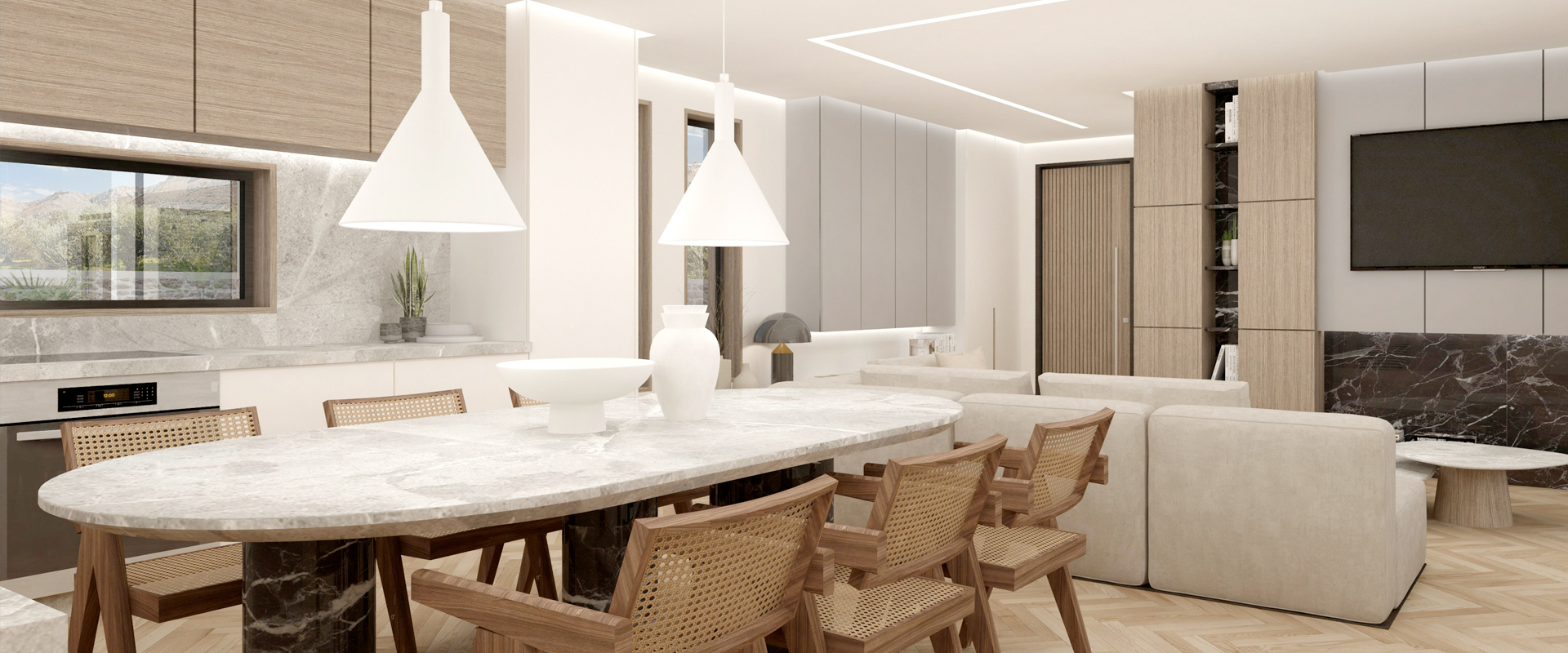
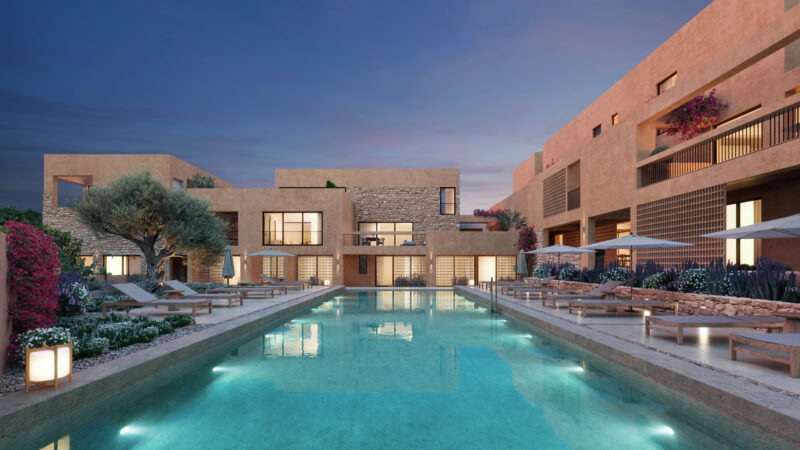
If your winter stay starts to look like a recurring lifestyle choice (or even a future relocation), building quality becomes decisive. Modern builds can solve most classic winter discomfort issues through:
- proper insulation
- air-source heat pumps
- underfloor heating
- solar thermal / photovoltaic concepts (depending on the project) kretakompass.de+1
This is where the “winter reality check” becomes constructive: instead of accepting “Crete homes are cold in winter” as a rule, you simply filter for the right building standard.
Visas & length of stay: what non-EU visitors should know (incl. US)
Most non-EU travelers (including US citizens) need to plan around the Schengen short-stay rule: 90 days in any 180-day period. Wikipedia
Two important system changes are also relevant for planning:
- The EU is rolling out the Entry/Exit System (EES) for recording entries/exits of non-EU travelers. newsletters.enterprisegreece.gov.gr+1
- ETIAS travel authorization is expected to be introduced in late 2026 (according to the official EU travel information). ifcreview.com
Longer-stay pathways (high-level, not legal advice)
If you want to stay beyond the short-stay window, Greece has residence pathways for non-EU nationals. Two concepts people commonly explore:
- a residence-by-investment route (“Golden Visa”) Υπουργείο Μετανάστευσης και Ασύλου+1
- other national residence routes (for example for remote work / sufficient resources), where details depend on your profile and documentation. Migration and Home Affairs
Golden Visa reality check (what changed)
Greece announced adjustments that increase the real-estate investment threshold to €800,000 in high-demand areas and €400,000 in other areas (with specific geographic rules). newsletters.enterprisegreece.gov.gr
This is exactly why a “winter test stay” is valuable before you do anything irreversible.:
From winter stay to real plan: rent first, then decide (and avoid predictable mistakes)
If you’re already researching wintering in Crete, you’re usually one step beyond a typical vacation mindset. The smartest progression is:
- start with a winter-ready long stay (4–6 weeks is enough to learn a lot) kretakompass.de
- keep your base practical (close to a city / services) kretakompass.de
- only then ask: rent longer, buy, or a hybrid lifestyle?
If buying becomes part of the discussion, make sure you understand how the buying process and representation differs from what you may know from Germany/UK/US. kretakompass.de
Primary CTA (subtle, practical)
Winter-Ready Crete Shortlist (rentals + property options)
If you want, we can send you a compact shortlist of winter-suitable stays (fireplace / reliable heating / location) and—if relevant—modern low-energy new-build options (heat pumps, underfloor heating, solar concepts) -> https://www.kaste-holidays.com/en/
3) EN: FAQ block (10–15)
- Is wintering in Crete actually warm?
It’s generally mild compared to Northern Europe, but comfort depends on wind, region, and—most importantly—your heating setup indoors. kretakompass.de+1 - Which part of Crete is best for a first winter stay?
Choose a base near a city (Chania, Rethymno, Heraklion, Agios Nikolaos) for reliable infrastructure, then explore quieter areas by car. kretakompass.de - Does Crete “shut down” in winter?
Tourist micro-resorts can feel empty, but larger towns and cities remain active and functional. kretakompass.de - Is Chania worth it in winter?
Yes—many find it especially atmospheric because the old town and harbor feel calmer and more authentic. kretakompass.de - What’s the biggest mistake people make?
Booking a beautiful summer-style accommodation without reliable heating and a humidity plan. kretakompass.de - Are restaurants still good in winter?
Often better: fewer crowds, more time for conversations, and more seasonal dishes. kretakompass.de - Can I hike and cycle in winter?
Yes—winter can be ideal for hiking and cycling, with a weather check for mountains/gorges. kretakompass.de - How long can a US citizen stay in Crete without a visa?
As a rule, non-EU visitors are limited by the Schengen short-stay rule (90/180). Always verify for your passport. Wikipedia - What is EES and why should I care?
EES is the EU’s entry/exit recording system for non-EU travelers; it affects how stays are tracked. newsletters.enterprisegreece.gov.gr+1 - When does ETIAS start?
The EU’s official travel information currently points to late 2026. ifcreview.com - Is a “Golden Visa” a realistic option?
Possibly, but thresholds and geographic rules have changed. Treat it as a strategic project, not a quick add-on. newsletters.enterprisegreece.gov.gr+1 - Should I rent first or buy right away?
Rent first—ideally a winter-ready stay—so you learn regions, wind exposure, daily routines, and what building standard you truly need. kretakompass.de+1 - What building features matter most for winter comfort?
Insulation quality, reliable heating (often heat pumps), window tightness, humidity control, and sun orientation. kretakompass.de+1 - Is Crete comparable to California climate-wise?
Both share Mediterranean-climate characteristics (dry summers, wetter winters), though local conditions differ by coast, elevation, and wind. Encyclopedia Britannica+2Encyclopedia Britannica+2 - What’s the best “test stay” duration?
Four to six weeks is long enough to experience routines, weather patterns, and housing comfort—without overcommitting. kretakompass.de
4) Sources (for the article)
- KretaKompass: Überwintern auf Kreta – eine gute Idee? (updated Dec 2025) kretakompass.de
- EU travel info: EES and ETIAS timelines / explanations newsletters.enterprisegreece.gov.gr+2cres.gr+2
- European Commission: Schengen 90/180 short stay rule Wikipedia
- Enterprise Greece newsletter: Golden Visa thresholds (800k / 400k zones) newsletters.enterprisegreece.gov.gr
- Greek Ministry of Migration: Golden Visa program overview Υπουργείο Μετανάστευσης και Ασύλου
- Climate context: Mediterranean climate definition + Crete climate classification/data; California Mediterranean-climate references repository.library.noaa.gov+3Encyclopedia Britannica+3Klimadaten+3
- KretaKompass EN background articles (Christmas / retirement / cost)



Recent Comments