
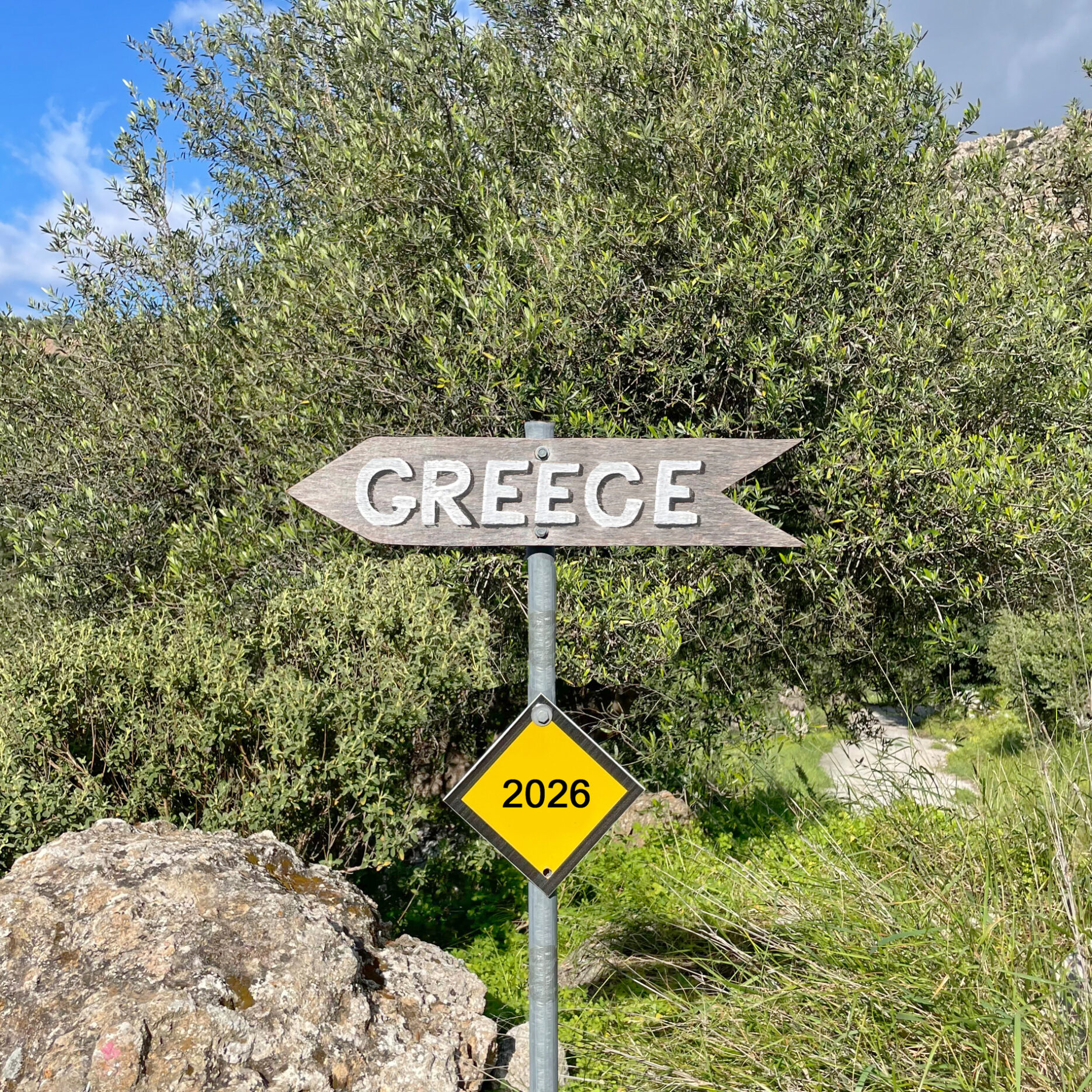
Greece has been making headlines: according to the Annual Global Retirement Index 2026 by International Living, it is ranked as the world’s best country to retire to – ahead of long-time favourites like Portugal or Spain. International Living+2The Economic Times+2
International media echo this ranking and highlight Greece as a top retirement hotspot for 2026, pointing to relatively affordable living, good healthcare and attractive residency options. New York Post+2The Economic Times+2
No surprise that more and more people start thinking about retirement in Greece – and quite a few of them have Crete in mind.

In this article we take a closer look:
- How is this ranking put together?
- For whom does Greece really work – and for whom not?
- What role does Crete play in this picture?
- And which questions should you answer before you make the move?
Related reading:
If Crete is on your shortlist, our article
👉 Cost of Living in Crete 2026
gives detailed budgets for different household types.
Retirement in Greece: opportunities and limits in 2026
“Retirement in Greece” sounds like sunshine, sea and slow living. At the same time, the country is dealing with demographic pressure, a stretched public health system and big differences in income levels – both among locals and among expats. The Guardian+1
This article aims to show both sides:
- the opportunities (climate, lifestyle, tax incentives, cost levels) and
- the limitations (small pensions, healthcare costs, island realities).
1. Retirement in Greece: why is the country number one in 2026?
1.1 The International Living ranking – what is measured?
The portal International Living publishes the Global Retirement Index every year. For 2026, Greece takes first place for the very first time. International Living+1
The index scores countries on:
- Cost of living and housing
- Healthcare
- Climate
- Visa and residency options
- Infrastructure, safety, lifestyle and sense of community
In the current edition, Greece scores particularly well for:
- Housing and day-to-day costs (in international comparison)
- Mediterranean climate with many sunny days and mild winters
- Healthcare, especially with regard to private services
- Residency programmes for non-EU citizens (Golden Visa, Financially Independent Person permit, Digital Nomad Visa). New York Post+2The Sun+2
1.2 What these rankings can – and can’t – tell you
These indices are useful orientation tools, but they are not official statistics:
- They mix data (prices, life expectancy, climate) with subjective expat feedback. International Living+1
- They speak mainly to people with some financial stability and flexibility.
- They rarely show what retirement in Greece feels like with a very small pension.
For a solid decision you therefore need a second step:
- Does this picture match your personal income?
- What does everyday life look like on the ground – e.g. on Crete, away from brochures?
- How robust is your budget if prices or your health needs change?
2. For whom is retirement in Greece really a “paradise”?
2.1 The profile that these rankings have in mind
If you read through case studies and expert comments, a pattern appears. These rankings mainly address retirees who
- have a decent pension or extra income (rental income, savings, investments),
- are willing to navigate bureaucracy and language barriers,
- and can afford to use private healthcare if needed. The Economic Times+1
For this group, retirement in Greece can be a very attractive mix of climate, lifestyle and cost.
2.2 When the pension is small: hard reality behind the sunshine
At the same time, voices in Facebook groups and expat forums are quite frank:
- With a very small pension (for example under €800) life gets tight even in Greece – especially if you pay rent.
- If you also have to finance a private health insurance on top, your monthly budget may feel almost as squeezed as in Germany or Austria.
- Without savings or additional income streams, a permanent move to Greece can be financially risky – especially on an island where you depend on flights.
The honest conclusion:
Greece can be a retirement paradise for people bringing a solid income or savings.
For people on very small pensions, everyday life can remain tough – just with better weather.
3. Cost of living: cheaper, yes – but not magically cheap
3.1 Retirement in Greece vs. Northern Europe – the rough comparison
Many people who think about retirement in Greece hope for significantly lower costs than in Northern Europe. Overall, average living expenses in Greece are indeed lower than in many northern EU countries, especially for rents outside the main hotspots and for local services. The Economic Times+1
But there are some important caveats:
- Energy, fuel and certain imported brands can be relatively expensive. euronews+1
- In highly touristic regions, tourism pushes up rents and property prices.
- On islands, you need to factor in transport costs and flight prices.
3.2 Focusing on Crete: north vs. south, city vs. village
Crete is a good example of regional variation:
- Areas like Chania or parts of Heraklion can be significantly more expensive due to tourism and demand.
- The south and south-east (e.g. around Ierapetra, Makrigialos, Sitia) often still offer lower rents and living costs, while keeping a high quality of life.
In our article Cost of Living in Crete 2026 we provide detailed sample budgets for singles, couples and families – including housing, transport, healthcare and leisure.
4. Taxes & visas: why Greece is courting foreign retirees
4.1 The 7% flat tax for foreign pensioners
One major reason why Greece does so well in retirement rankings is the special tax regime for foreign retirees:
- Since 2020, retirees who move their tax residence to Greece can, under certain conditions, opt for a flat 7% tax on their foreign-source income, including pensions. Economou & Economou Law Office+3KPMG Assets+3kmdlaw.gr+3
- This regime can apply for up to 15 tax years, and requires – among other things – that you were not a Greek tax resident for five of the last six years and that your home country has a tax cooperation agreement with Greece. kmdlaw.gr+1
For retirees with higher pensions and significant foreign income this can be very attractive.
Important:
The conditions are technical (double-taxation treaties, strict deadlines, formal application). You should always seek individual tax advice before relying on this regime.
We cover this in detail in our article:
👉 7% Flat Tax for Foreign Pensioners with Tax Residence in Greece
4.2 Golden Visa & other residency options
For non-EU citizens, programmes like the Golden Visa and the Financially Independent Person permit are also relevant:
- Through certain minimum investments in real estate or other assets you can qualify for long-term residence. New York Post+2The Sun+2
- Thresholds have been raised in some high-demand regions, while remaining lower in less famous areas.
These tools are interesting for those who bring the necessary capital – but they do not help people who rely solely on a minimal pension.
5. Healthcare: strong private sector, strained public system
Many retirement rankings list healthcare as a key advantage: good doctors, modern facilities, and comparatively low prices for private care. The Economic Times+2New York Post+2
The full picture is more nuanced.
5.1 Public system: underfunded and high out-of-pocket spending
Recent data from WHO, OECD and the EU show:
- The public share of health spending in Greece is the lowest in the EU as a share of total government expenditure and GDP. P4H Network+1
- Households pay a very high share of out-of-pocket (OOP) spending – around 33% of total health expenditure, compared with about 15–18% on average in the EU/OECD. OECD+2OECD+2
- A WHO study found that nearly 10% of households experience “catastrophic health spending” – meaning they struggle to pay for basics such as housing or food after health bills. Weltgesundheitsorganisation+2Weltgesundheitsorganisation+2
Journalistic reports also highlight ongoing problems: staff shortages, outdated equipment and long waiting times in public hospitals, which push many patients towards the private sector. Le Monde.fr
For retirees with small pensions and no savings, this financial burden can become a serious risk in retirement in Greece.
5.2 Private care: high quality – at a price
On the positive side:
- In major cities and tourist-heavy regions there are well-equipped private clinics and practices.
- Many doctors speak English, sometimes other languages.
- Waiting times for diagnostics and treatment can be much shorter than in the public system.
Retirees who can afford private insurance or regular self-pay care often experience Greek healthcare as a strong plus.
For a Crete-specific view we recommend:
👉 Healthcare on Crete – How Good is the Medical System?
6. Pension system & demography: what’s happening in the background?
6.1 A costly system under demographic pressure
According to OECD’s Pensions at a Glance 2023, Greece
- spends a very high share of its GDP on public pensions,
- offers relatively high future replacement rates in theory,
- but faces intense pressure from an ageing population and a limited contribution base. OECD+2OECD+2
At the same time, Greece has one of the lowest fertility rates in the EU and a shrinking population. The government recently announced a €1.6 billion package to support families and counter population decline – a sign of how serious the demographic challenge has become. The Guardian
6.2 What this means for foreign retirees
For foreign retirees this has two sides:
- On the one hand, Greece welcomes you – your pension usually comes from abroad and does not burden the Greek pension system.
- On the other hand, you are moving to a country that already struggles with old-age poverty and demographic strain among its own citizens.
Again, this is a reminder to check your own finances carefully before deciding on retirement in Greece.
7. Retirement in Greece on Crete: dream island vs. island reality
7.1 Advantages: climate, lifestyle, community
Crete brings together many of the aspects praised in the retirement rankings:
- Mild climate with many sunny days and relatively mild winters, especially in the south.
- A vibrant expat community in several regions.
- Strong local communities in villages – if you are willing to integrate, you can build a network quickly.
- Improved long-term connectivity is expected with the new airport near Kastelli, currently under construction. The Sun+1
For a deeper dive into retirement specifically on Crete, see:
👉 Living on Crete in Retirement – Part 1
👉 Living on Crete in Retirement – Part 2
7.2 Challenges: insularity & infrastructure
Typical island factors should not be ignored:
- Flight dependency: if you travel regularly between your home country and Crete, rising air fares and seasonal schedules matter.
- Regional healthcare gaps: medical and infrastructural services are better around Heraklion, Chania and Rethymno than in more remote mountain or coastal villages. OECD+1
- Seasonal contrast: high season can be crowded and expensive, off-season very quiet – some love this, some find it too isolated.
Whether Crete is the right place for your retirement in Greece depends a lot on your expectations regarding infrastructure, accessibility and day-to-day life.
For a “test drive”, our article
👉 Spending the Winter on Crete – A Good Idea?
is a useful companion.
8. Five questions to ask yourself before retiring to Greece
Before you seriously commit to retirement in Greece – perhaps on Crete – work through these five questions honestly:
8.1 Does my secure monthly income really suffice?
- What is your net monthly pension including all regular income?
- How does it compare to the sample budgets in
👉 Cost of Living in Crete 2026? - After housing, insurance and basic expenses, do you have enough left for unexpected costs?
8.2 Rent, buy or start with winter stays?
- Do you plan to rent first (e.g. long stays in holiday rentals)?
- Is buying a property on your radar – and does your budget match prices in your preferred area?
- Would it be smarter to spend one or two winters in Greece before selling everything at home?
Here our articles can help:
8.3 Health insurance and medical costs
- How are you insured today – and how would coverage look once you are resident in Greece?
- Do you have savings for co-payments, private consultations or planned procedures?
- Would a longer hospital stay put you under financial pressure? P4H Network+2OECD+2
8.4 Plan B if your situation changes
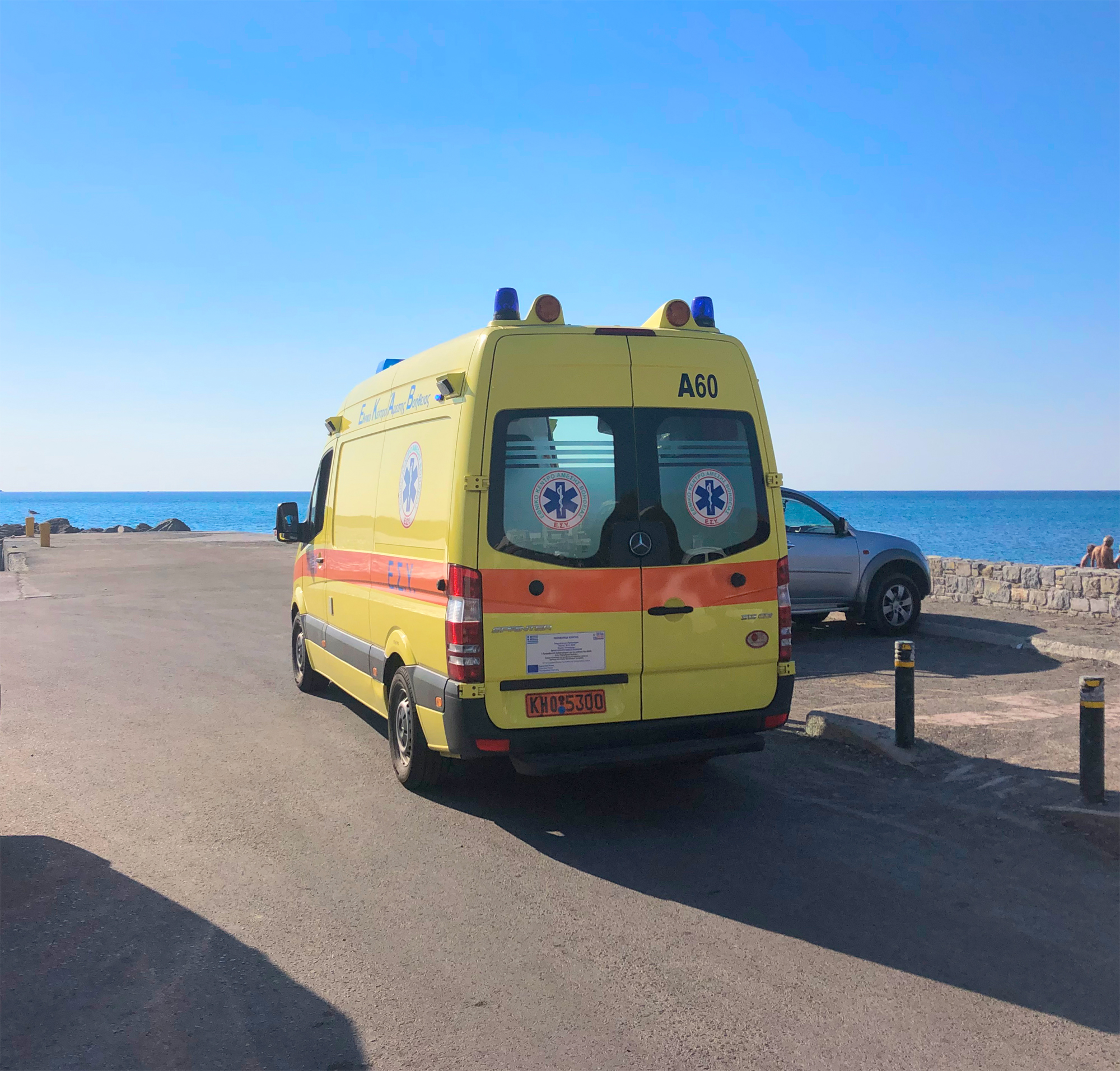
- What happens if your health deteriorates?
- Are there family members who could support you – either in Greece or back home?
- Is a return to your home country financially and practically possible, or would you be stuck?
8.5 Integration, language, daily life
- Are you ready to learn at least basic Greek?
- Do you want real integration or mainly a “little Germany in the sun”?
- Are you comfortable managing bureaucracy, doctor appointments and tradespeople yourself – or do you need a reliable local partner?
9. Conclusion: Yes, Greece has strong potential – but not for every pension
In short:
- Yes, Greece is ranked among the world’s leading retirement destinations for 2026 – with good reasons: climate, lifestyle, moderate costs in many regions and targeted tax incentives. International Living+2The Economic Times+2
- Yes, for retirees with solid pensions, additional income or savings, Greece – and especially Crete – can be a very attractive place to enjoy a sunnier, often more relaxed life than in Northern Europe. New York Post+2The Sun+2
- No, it is not a magic cure for old-age poverty: people who arrive with a very small pension and no reserves face rising living costs, significant health co-payments and the same financial tension they know from home – only with more sunshine. Weltgesundheitsorganisation+3P4H Network+3OECD+3
Whether retirement in Greece is truly right for you ultimately depends on your personal financial and health situation, not on a headline in a magazine.
The most important step is always the same:
Do the maths honestly, gather solid information – and test everyday life on the ground before you move for good.
For that you will find on Kretakompass:
- 👉 Cost of Living in Crete 2026
- 👉 Living on Crete in Retirement – Part 1
- 👉 Living on Crete in Retirement – Part 2
- 👉 Spending the Winter on Crete – A Good Idea?
- 👉 7% Flat Tax for Foreign Pensioners with Tax Residence in Greece
FAQ – Retirement in Greece 2026
Question 1: Is Greece really a “paradise” for retirees in 2026?
Several international rankings place Greece at or near the top of global retirement destinations for 2026, especially due to climate, lifestyle, relatively moderate living costs and specific tax incentives for foreign retirees. International Living+2The Economic Times+2
However, this mainly applies to people with a solid pension or additional savings. With a very small pension, costs for housing, healthcare and flights can still be challenging. Greece can be a “paradise” – but not for every income level.
Question 2: How much pension do I need to live in Greece – for example on Crete?
There is no single magic number, but experience and cost calculations suggest: a single retiree should plan with roughly €1,000–1,300 net per month for a modest yet stable life. Couples typically need €1,600–2,000+, depending on region and lifestyle. New York Post+2The Economic Times+2
On Crete you should add flight costs, car expenses and a buffer for health-related spending. If you want to see where your own budget fits in, our article Cost of Living in Crete 2026 offers concrete example budgets.
Question 3: Is the public healthcare system in Greece sufficient for retirement?
Public healthcare in Greece provides a basic safety net but has been underfunded for years and varies by region. Official data show a very high level of out-of-pocket payments and one of the highest shares of households facing “catastrophic” health spending in Europe. Weltgesundheitsorganisation+3P4H Network+3OECD+3
In cities and tourist regions, many retirees therefore rely partly or mainly on private providers, which generally offer good quality but require either private insurance or sufficient savings. Anyone planning retirement in Greece should not underestimate health costs.
Question 4: What is the 7% flat tax for foreign pensioners in Greece?
Greece offers foreign retirees a special tax regime under which they can, if they meet certain conditions, pay a flat 7% tax on their foreign-source income, including pensions, for up to 15 years. Economou & Economou Law Office+3KPMG Assets+3kmdlaw.gr+3
Conditions include not having been a Greek tax resident for five of the last six years and transferring tax residence from a country that cooperates with Greece on tax matters. We explain the details, opportunities and common pitfalls in our article 7% Flat Tax for Foreign Pensioners with Tax Residence in Greece, but individual tax advice is still essential.
Question 5: Should I move permanently or first spend only the winter months in Greece?
For most people it is wise not to sell everything and move permanently right away. Spending one or several winters in Greece – for example on Crete – shows very clearly how you cope with climate, everyday life, infrastructure and costs outside holiday season. During this time you can also test doctor visits, bureaucracy and local networks. Only if this trial period works both financially and personally does a permanent move or property purchase make sense. Our articles Spending the Winter on Crete – A Good Idea? and Living on Crete in Retirement – Part 1 & 2 offer guidance.
Question 6: Is Crete a cheaper or more expensive place to retire than other parts of Greece?
Crete offers many advantages – climate, landscape and a strong expat community – but it is not automatically cheaper than the rest of Greece. In popular regions like Chania or parts of Heraklion, rents and property prices can be higher than in some mainland areas. The south and south-east can still offer more affordable options with good quality of life. New York Post+2The Sun+2
On top of that, island residents need to factor in flight costs and, in some areas, longer trips to specialist doctors or hospitals. Whether Crete is cheaper or more expensive than your current location depends strongly on the specific area, your lifestyle and your health and travel needs.
Do you know our newest articels?


📚 Sources
- International Living – “Best Places to Retire in 2026: The Annual Global Retirement Index”, updated 1 December 2025. International Living
- Economic Times / NDTV / The Sun / New York Post – international coverage of Greece as the top retirement destination for 2026, December 2025. New York Post+4The Economic Times+4The Economic Times+4
- OECD – “Pensions at a Glance 2023” and “Greece: Country Health Profile 2023”, including Greece country notes on pensions and health systems. OECD+3OECD+3OECD+3
- **WHO Europe – “Out-of-pocket payments for health care in Greece hit low-income households the hardest” (News release, 4 November 2025) and “Can people afford to pay for health care? New evidence on financial protection in Greece” (2025 report). linkedin.com+3Weltgesundheitsorganisation+3P4H Network+3
- Euronews Health – “Health care spending: Where are out-of-pocket costs highest across Europe?” (20 October 2025) – comparison of OOP shares in EU countries. euronews
- Le Monde – “The Greek public healthcare system remains in shambles” (17 August 2025) – qualitative reporting on staffing, equipment and patient experience. Le Monde.fr
- **KPMG, KMD Law, Eurobank, EconLaw – specialist briefings on the 7% special tax regime for foreign pensioners in Greece. Economou & Economou Law Office+3KPMG Assets+3kmdlaw.gr+3
- The Guardian – “Greece announces €1.6bn relief package to tackle population decline” (7 September 2025) – demographic context and policy response. The Guardian
- Kretakompass – internal research, experience and calculations
from Cost of Living in Crete 2026, Living on Crete in Retirement – Part 1 & 2, Spending the Winter on Crete – A Good Idea? and 7% Flat Tax for Foreign Pensioners with Tax Residence in Greece (status 2025/2026).





1 Comment
Add Yours →[…] Retirement in Greece 2026: Reality Check on Cost of Living in Crete 2026: How Much Does Life on the Island Cost? […]