
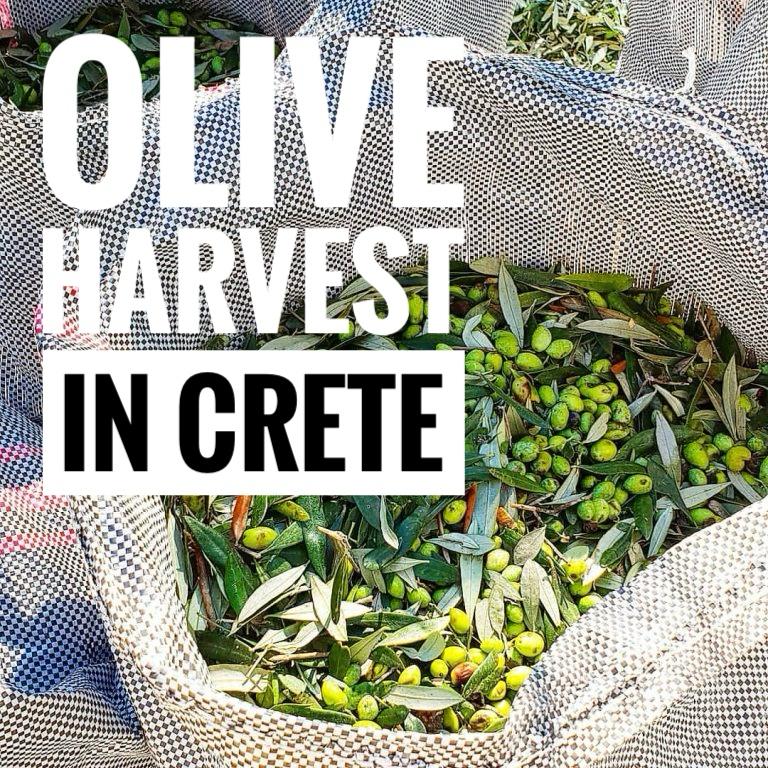
The Olive Harvest in Crete: A Tradition That Brings People Together
The olive harvest in Crete is much more than an agricultural activity. It is a tradition that connects families, villages and generations. Every year, from autumn into winter, people return to their olive groves to collect the fruit that will become one of the most important ingredients in Cretan cuisine.
For visitors, this season offers a different perspective on the island. Beyond the beaches and popular resorts, you can discover rural villages, meet local producers and learn why olive oil plays such an important role in everyday life.
You do not need to spend an entire day working in a grove to appreciate the tradition. A visit to an olive mill, a guided tasting or a conversation with a local producer can already offer a fascinating insight into how Cretan olive oil is made.
If you are considering visiting Crete outside the summer season, our guide to Christmas in Crete – weather, traditions, food and winter living also explores the quieter side of the island, when the olive harvest is still part of everyday life.

When Is Olive Harvest Season in Crete?
The olive harvest in Crete usually takes place from late October to January. The exact timing depends on the weather, the location of the grove, the olive variety and the preferences of the producer.
November and December are often particularly active months, although some farmers begin earlier or continue harvesting into January.
October: The First Olives Are Picked
In some areas, harvesting begins in late October. The olives may still be green or beginning to change colour, depending on the variety and the stage of ripeness.
This can be a pleasant time to explore the countryside before the busiest part of the harvest season. However, not every producer will have started picking, so it is worth checking in advance if you want to see the process in action.
November and December: The Heart of the Harvest
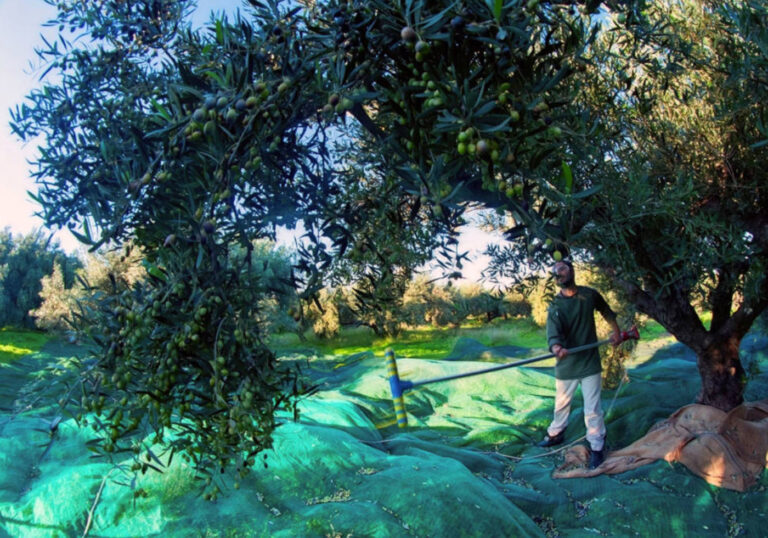
During November and December, olive groves across the island can become busy with families and agricultural workers. Nets are spread beneath the trees, olives are collected and freshly harvested fruit is taken to local mills.
For visitors, this is often the most promising period to look for an active harvest experience. Nevertheless, dates vary from year to year, and participation needs to be arranged with the individual producer.
January: Harvesting May Continue
Some groves are still being harvested in January. Others may have finished earlier, depending on local conditions.
Even if the picking season has ended, you may still be able to visit a producer or arrange an olive oil tasting.
Practical tip: Contact the farm or mill before travelling. The harvest follows the agricultural calendar, not a fixed tourist timetable.
How Is Cretan Olive Oil Made?
Watching the production process helps explain why harvesting and processing are so closely connected. Once the olives have been picked, they need to be handled carefully to preserve the quality of the oil.
1. Collecting the Olives
Nets or sheets are placed beneath the trees to catch the fruit. Depending on the grove and the equipment used, olives may be picked by hand or removed with special combs and mechanical tools.
The collected olives are gathered into containers and prepared for transport.
2. Cleaning the Fruit
At the mill, leaves, twigs and other unwanted material are removed. Cleaning helps prepare the olives for the next stage of production.
3. Crushing the Olives
The olives are crushed into a paste. This releases the oil droplets contained in the fruit and prepares the mixture for extraction.
4. Extracting the Oil
The olive paste is processed to separate the oil from water and solid material. Modern mills commonly use mechanical extraction systems rather than traditional pressing methods.
The exact equipment and production techniques vary between mills.
5. Storing the Finished Oil
After extraction, the oil is stored in suitable containers that protect it from excessive light, heat and oxygen. Proper storage is important for preserving its aroma and quality.
Visiting a working mill can make these steps much easier to understand. If you are planning a longer stay on the island, our article Wintering in Crete: Weather, Regions, Visas and Comfort offers more ideas for discovering Crete beyond the main summer season.

How to Experience the Olive Harvest in Crete
There are several ways to explore the tradition, depending on how much time you have and how actively you want to participate.
Visit an Olive Grove
Some local producers and rural accommodation providers arrange seasonal experiences in their groves. Depending on the programme, visitors may learn about harvesting methods, help collect olives or hear how a family manages its trees.
Ask what the experience includes before booking. Some visits involve physical work on uneven ground, while others focus on demonstrations and explanations.
Tour an Olive Mill
An olive mill visit is a good option if you are more interested in the production process than in picking olives yourself.
You can learn how the fruit is cleaned, crushed and processed, and how producers store the finished oil. Some mills also offer tastings or sell their own products.
Because many mills are working agricultural facilities, visits may need to be arranged in advance.
Take Part in an Olive Oil Tasting
A tasting allows you to compare different oils and discover how their aromas and flavours vary.
You may notice fresh, green notes, a pleasant bitterness or a peppery sensation at the back of your throat. These characteristics can occur naturally in extra virgin olive oil.
A tasting is also useful if you want to buy oil as a souvenir but are unsure which variety or flavour profile you prefer.
Explore the Countryside During Harvest Season
You can also enjoy the atmosphere without booking a formal activity. Driving through olive-growing areas, stopping in traditional villages and eating at local tavernas can offer a glimpse into rural life.
Always park safely and respect private property. Olive groves are working farms, and harvesting is an important part of local livelihoods.
What Makes Cretan Olive Oil Special?
Olive trees are a familiar feature of Crete’s landscape. They grow in coastal areas, on hillsides and around rural villages, making olive oil an essential part of the island’s food culture.
The Koroneiki variety is widely used for oil production in Greece, including Crete. Depending on the variety, harvest timing, growing conditions and production methods, the finished oil can have different aromas and levels of bitterness and pepperiness.
There is no single flavour that defines every Cretan olive oil. Some oils are intensely green and robust, while others are milder and more rounded.
How to Choose Olive Oil to Take Home
If you want to bring a taste of Crete home, consider these points:
- Look for clear labelling. Check the product category, origin and producer information.
- Taste before buying. If a tasting is available, compare a few oils to find one you genuinely enjoy.
- Ask about the harvest. Producers may be able to explain when the olives were picked and how the oil was made.
- Store it properly. Protect olive oil from light, heat and air to help preserve its quality.
- Plan your transport. Check airline liquid restrictions and baggage rules before taking bottles or tins home.
Buying directly from a producer can be a rewarding experience because you can ask questions and learn more about the oil’s origins.
Olive oil is also closely connected to the way people shop and eat on the island. For a broader picture of everyday expenses, local food and shopping, see our article Cost of Living in Crete 2026: How Much Does Life on the Island Cost?.

What Should You Wear to an Olive Harvest?
If you plan to join a harvesting activity, practical clothing will make the experience more comfortable.
- Wear sturdy shoes suitable for uneven ground.
- Choose clothes that can get dusty or dirty.
- Bring a light jacket for cool mornings.
- Carry water and sun protection.
- Ask in advance how much walking or physical work is involved.
If you prefer a more relaxed visit, a guided mill tour or tasting may be a better choice than several hours in an olive grove.
Is an Olive Harvest Experience Worth It?
For travellers interested in local food, culture and rural life, the olive harvest can be a memorable addition to a Crete holiday.
It offers a chance to understand the work behind an everyday product and to discover a part of the island that many summer visitors never see. You may learn about traditional harvesting methods, taste locally produced oil or simply enjoy a conversation with someone who has worked with olive trees for years.
The experience will depend on the season and the producer. Harvesting is real agricultural work, not a performance staged for visitors, so flexibility is important.
If you are visiting during autumn or winter, consider combining an olive-related activity with a village visit, a local meal or a scenic drive through the countryside.
Frequently Asked Questions About the Olive Harvest in Crete
When does the olive harvest take place in Crete?
The harvest generally runs from late October to January. November and December are often busy months, but exact dates vary according to weather, location and local farming practices.
Can visitors help pick olives?
Some farms offer organised harvest experiences that allow visitors to participate. Others provide demonstrations, guided visits or tastings. Contact the producer in advance to confirm what is available.
Can I visit an olive mill outside harvest season?
Some mills and producers offer tours or tastings beyond the main harvest period, while others operate seasonally. Check directly with the venue before making plans.
Is Cretan olive oil always strong and peppery?
No. Flavour depends on several factors, including olive variety, ripeness, growing conditions and production methods. Tasting different oils is the best way to discover your preference.
Can I buy olive oil directly from a local producer?
Yes, many producers sell their own oil. Ask about the origin, labelling, storage and packaging, particularly if you plan to transport it home.
Final Thoughts: Discover Crete Through Its Olive Trees
The olive harvest in Crete offers more than a glimpse of agricultural work. It reveals a tradition that connects the island’s landscape, food and family life.
Whether you visit an olive grove, tour a mill or taste locally produced oil, the experience can help you understand why olive oil remains such an important part of Cretan culture.
Plan your visit around the season, contact producers before travelling and leave room for a relaxed meal or a stop in a traditional village. Sometimes, the most memorable part of a trip is discovering the story behind something that has been on your table all along.









Recent Comments